Understanding Myofascial Release Techniques in Gold Coast Osteopathy
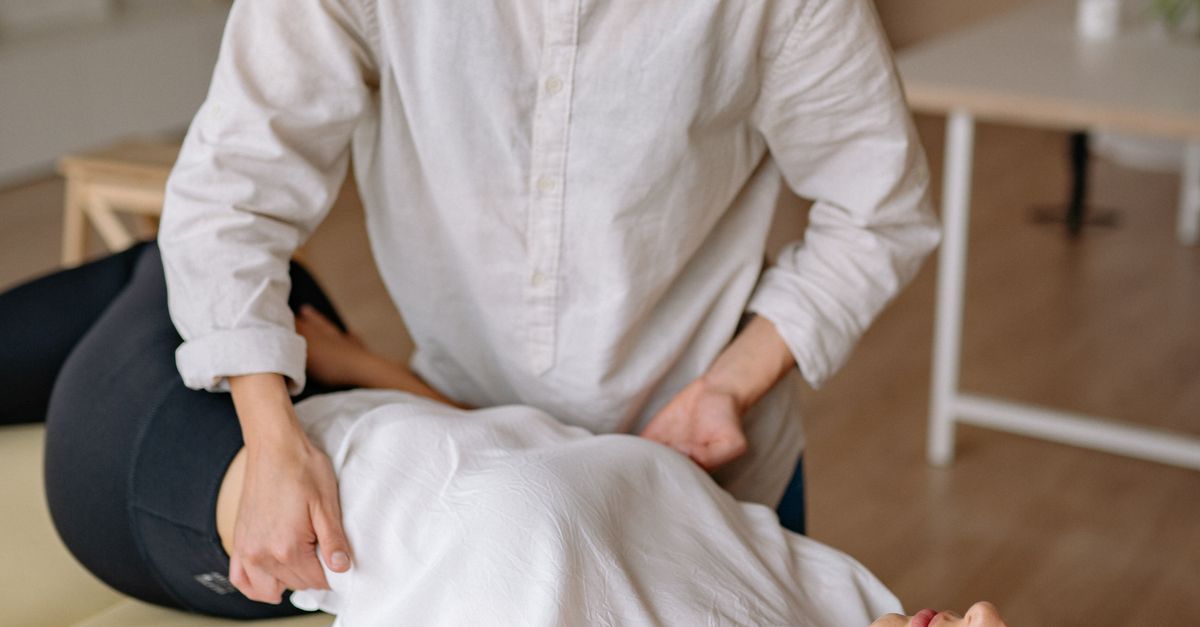
Table Of Contents
Finding a Qualified Osteopath on the Gold Coast
When searching for an osteopath on the Gold Coast, it is important to consider qualifications and experience. Look for practitioners who hold recognized credentials in osteopathy and have undergone extensive training. Online reviews and testimonials can provide insight into their practice, helping you gauge the overall patient experience. You may also want to inquire about any specialized areas of focus, such as myofascial release, ensuring they align with your treatment goals.
Networking within your local community can also yield valuable recommendations. Ask friends, family, or healthcare professionals for their suggestions on trusted osteopaths, as personal experiences often lead to finding a practitioner that suits your needs. Additionally, exploring professional associations or directories can help you identify osteopaths who are actively involved in continuing education, which reflects their commitment to maintaining up-to-date practices and techniques.
Tips for Selecting an Experienced Practitioner
When searching for a qualified osteopath, consider their credentials and experience in the field. Look for practitioners who have undergone formal training in osteopathy and have additional certifications, particularly in myofascial release techniques. Checking their professional affiliations can also provide insight into their commitment to ongoing education and adherence to industry standards.
Another important factor is to assess patient reviews and testimonials. Direct feedback can showcase the practitioner’s effectiveness and approach to treatment. Consider scheduling an initial consultation to discuss your specific needs and gauge their communication style. A good rapport can enhance the overall treatment experience and contribute to better outcomes during your sessions.
What to Expect During a Myofascial Release Session
During a myofascial release session, practitioners typically begin by assessing the client's posture and identifying areas of restriction or tension. This initial evaluation is crucial for understanding specific problem areas. Once this assessment is complete, the osteopath will guide the client to a comfortable position on the treatment table. The process may involve gentle stretching, sustained pressure, and specific techniques to release tight fascia and muscle knots.
As treatment progresses, clients may experience varying sensations, ranging from mild discomfort to deep relaxation. It is essential to communicate openly with the practitioner about any discomfort felt during the session. The session duration can vary, but it generally lasts between 45 minutes to an hour. Practitioners often take a holistic approach, addressing both physical and emotional components of tension that could be contributing to discomfort.
The Step-by-Step Process of Treatment
During the initial consultation, the osteopath will assess the patient's specific needs. They may conduct a thorough physical examination, reviewing medical history and any relevant injuries. This step is crucial for understanding the areas requiring attention and determining the best approach to treatment. Communication plays a key role, as the practitioner will encourage the patient to share any discomfort or limitations experienced in movement.
Once the assessment is complete, the treatment begins with gentle manipulation of the fascia and surrounding tissues. The practitioner employs varying pressures and techniques tailored to release tension and improve mobility. Patients often lie down comfortably while the osteopath works on targeted areas, and the session typically lasts between 30 to 60 minutes. Throughout the process, feedback is encouraged to ensure the comfort level is maintained, allowing for adjustments as needed.
Recovery and Aftercare Following Myofascial Release
After myofascial release, the body may need some time to adjust. Common effects include mild soreness or tenderness in the treated area. This is a normal response, resembling what one might experience after an intense workout. Staying hydrated is essential following the session, as it helps facilitate the body's healing process. Gentle stretching and light movement throughout the day can also aid recovery and maintain the benefits achieved during treatment.
Post-treatment care should include listening to one's body and adjusting activities accordingly. Engaging in low-impact exercises like walking or yoga can promote circulation and relaxation. It’s beneficial to avoid strenuous activities for a short period, allowing tissues to recover fully. Following the practitioner’s recommendations on frequency of treatment sessions can lead to sustained improvement and better long-term outcomes.
Best Practices for Post-Treatment Care
Post-treatment care is essential to maximize the benefits of myofascial release. Hydration plays a crucial role in flushing out toxins that may be released during the session. Drinking water helps maintain tissue elasticity, ensuring that the body stays responsive. Gentle stretching can also support recovery by maintaining flexibility in the muscles and fascia. Engaging in light activities, rather than strenuous exercises, helps to gently mobilize affected areas.
Listening to your body is vital after treatment. If you experience soreness, consider using heat to relax tight muscles, but avoid intense physical exertion for a couple of days. Rest allows the body to heal and can enhance the release of tension. Journaling any changes in your body and pain levels after treatment can be helpful for both you and your practitioner. This information can assist in tailoring future sessions to your specific needs, promoting optimal recovery.
FAQS
What is myofascial release?
Myofascial release is a manual therapy technique that focuses on relieving tension in the fascia, the connective tissue that surrounds muscles, to alleviate pain and restore movement.
How do I find a qualified osteopath on the Gold Coast?
You can find a qualified osteopath on the Gold Coast by checking professional directories, reading online reviews, and asking for recommendations from friends or healthcare providers.
What should I expect during a myofascial release session?
During a myofascial release session, you can expect a thorough assessment, gentle hands-on techniques targeting specific areas of tension, and a focus on improving your overall mobility and comfort.
How long does a myofascial release treatment session typically last?
A myofascial release treatment session typically lasts between 30 to 60 minutes, depending on the practitioner and your specific needs.
What are the best practices for post-treatment care following myofascial release?
Best practices for post-treatment care include staying hydrated, gently stretching the treated areas, avoiding strenuous activities, and following any specific recommendations provided by your osteopath.
Related Links
How Myofascial Release Enhances Athletic PerformanceDifferences Between Myofascial Release and Traditional Massage
The Science Behind Myofascial Release Therapy
Integrating Myofascial Release into Osteopathic Care
Myofascial Release: What to Expect During Your Sessions
The Role of Myofascial Release in Chronic Pain Management
Identifying Candidates for Myofascial Release Treatment
Myofascial Release: Techniques and Benefits for Injury Recovery
A Comprehensive Guide to Myofascial Release for New Patients