The Role of Cranial Osteopathy in Childhood Development
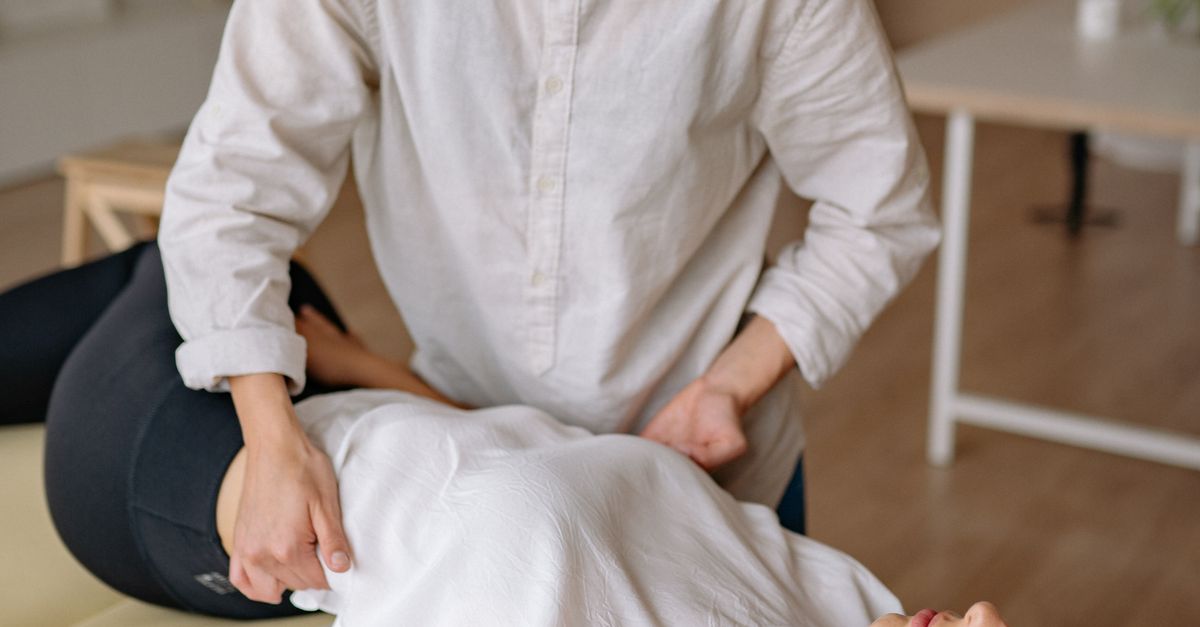
Table Of Contents
The Role of Osteopaths in Child Health
Osteopaths play a vital role in promoting child health through a holistic approach that emphasizes the interconnections between different body systems. By assessing and treating musculoskeletal issues, they can help alleviate discomfort caused by conditions such as colic, reflux, and developmental delays. Many parents seek osteopathic care for their children to ensure optimal physical and emotional well-being. The emphasis on gentle techniques makes cranial osteopathy particularly appealing to families who prioritize non-invasive treatments.
In addition to treating specific ailments, osteopaths also provide guidance on general health practices, such as nutrition and exercise tailored to the needs of children. Their expertise enables them to identify potential developmental issues early on, allowing for timely interventions. Parents often report improvements in their child's overall comfort and functionality following treatment. This proactive approach fosters not only physical healing but also supports emotional and psychological resilience during formative years.
Qualifications and Training
Osteopaths specializing in cranial osteopathy undergo extensive training to ensure they possess a deep understanding of both anatomy and the nuances of pediatric care. Their educational journey typically begins with a foundational degree in osteopathy, which spans several years. Following initial qualification, practitioners usually pursue additional training specifically focused on cranial techniques. This specialized education includes comprehensive courses covering the mechanics of the cranial bones, the role of the cranial sutures, and the importance of cerebrospinal fluid dynamics in promoting health.
Certification in cranial osteopathy often involves hands-on clinical practice, where students refine their skills under the supervision of experienced practitioners. Ongoing professional development is essential in this field, with many osteopaths attending workshops and conferences to stay current with the latest research and techniques. This continual learning approach ensures that they can provide the highest standard of care to children, addressing various developmental and health concerns effectively.
Parental Perspectives on Cranial Osteopathy
Many parents report positive experiences after seeking cranial osteopathy for their children. They often describe noticeable changes in their child's behavior, sleep patterns, and overall well-being following treatment. These anecdotal accounts highlight a sense of relief for parents dealing with challenging symptoms like colic or irritability. The gentle approach taken by practitioners resonates well with families looking for non-invasive solutions to improve their child's health.
Some parents express a degree of skepticism regarding cranial osteopathy. Concerns often center around the lack of extensive scientific evidence backing its effectiveness. Despite these doubts, many remain open-minded, drawn by personal experiences or recommendations from trusted sources. The dialogue among parents reflects a blend of hope and caution, illustrating the complexities surrounding alternative therapies in child health.
Testimonials and Experiences
Parents often share positive experiences when it comes to cranial osteopathy for their children. Many report noticeable improvements in conditions such as colic, reflux, and sleep disturbances after treatments. These parents appreciate the gentle approach taken by osteopaths, who focus on the child's overall well-being. Testimonials frequently highlight the calming atmosphere of clinics, which contributes to ease of treatment for both children and parents.
The emotional impacts of these visits often resonate deeply with families. Parents describe a sense of relief as their children become more comfortable and relaxed after sessions. Stories of enhanced bonding moments during treatment align with the goal of promoting not only physical health but also emotional reassurance. Positive feedback emphasizes the importance of trust in the practitioner, reinforcing the perception of cranial osteopathy as a supportive part of child health care.
Research and Evidence Supporting Cranial Osteopathy
Numerous studies have sought to evaluate the efficacy of cranial osteopathy, particularly in pediatric populations. Research has indicated positive outcomes in various conditions such as colic, sleep disturbances, and general behavioral issues in children. These improvements often stem from the gentle manipulations performed by osteopaths, which aim to enhance the body's natural ability to heal. A focus on the cranial structures may support better function in the nervous system, potentially contributing to overall well-being.
In addition to clinical observations, some randomized controlled trials have been initiated to assess specific outcomes related to cranial osteopathy. While the body of evidence is still evolving, several studies suggest that cranial osteopathy may reduce the duration of symptoms in infants with certain common ailments. The data collected thus far provides a preliminary endorsement for further exploration in larger, more comprehensive trials. Such research is essential to substantiate the claims surrounding cranial osteopathy and to clarify its role in pediatric health care.
Recent Studies and Findings
Recent investigations into cranial osteopathy for children emphasize the treatment's potential benefits in various developmental areas. Some studies have explored its effects on conditions such as colic, sleep disturbances, and autism spectrum disorders. While anecdotal evidence from parents frequently highlights positive outcomes, empirical research remains mixed. Researchers are focused on understanding the mechanisms behind cranial osteopathy and how it may influence neurological and physical development in early childhood.
Several recent trials have sought to provide more robust data on the effectiveness of cranial osteopathy. A few have employed control groups and randomized designs to assess outcomes in infants and toddlers undergoing treatment. Findings have shown that while some children respond favorably, the degree of improvement varies widely among individuals. This variability underscores the necessity for further research to establish standardized protocols and more conclusive evidence regarding the role of cranial osteopathy in pediatric healthcare.
FAQS
What is cranial osteopathy?
Cranial osteopathy is a specialized branch of osteopathy that focuses on the treatment of the cranial structures, including the skull and nervous system, to promote overall health and well-being, particularly in children.
How can cranial osteopathy benefit my child?
Cranial osteopathy may help alleviate various childhood issues such as colic, feeding difficulties, sleep disturbances, and even anxiety. It aims to support healthy growth and development by addressing any physical imbalances.
What qualifications do cranial osteopaths have?
Cranial osteopaths typically hold a degree in osteopathy and have completed additional training in cranial techniques. They are regulated by professional bodies and must adhere to strict ethical and professional standards.
Is cranial osteopathy safe for infants and children?
Yes, cranial osteopathy is generally considered safe for infants and children when performed by a qualified and experienced practitioner. The techniques used are gentle and specifically adapted for younger patients.
What does a typical cranial osteopathy session involve?
A typical session involves a thorough assessment of the child's health and needs, followed by gentle manual techniques applied to the head and body. The practitioner may also provide guidance on supportive care and parenting strategies.
Related Links
Investigating the Impact of Cranial Osteopathy on Sleep DisordersThe Benefits of Cranial Osteopathy for Pregnant Women
Cranial Osteopathy Techniques for Improving Sinus Health
Understanding the Connection Between Cranial Osteopathy and Emotional Health
Cranial Osteopathy: A Gentle Approach to Concussion Recovery
Exploring Cranial Osteopathy for Migraines and Tension Relief