Osteopathy as a Pathway to Achieve Better Stress Control
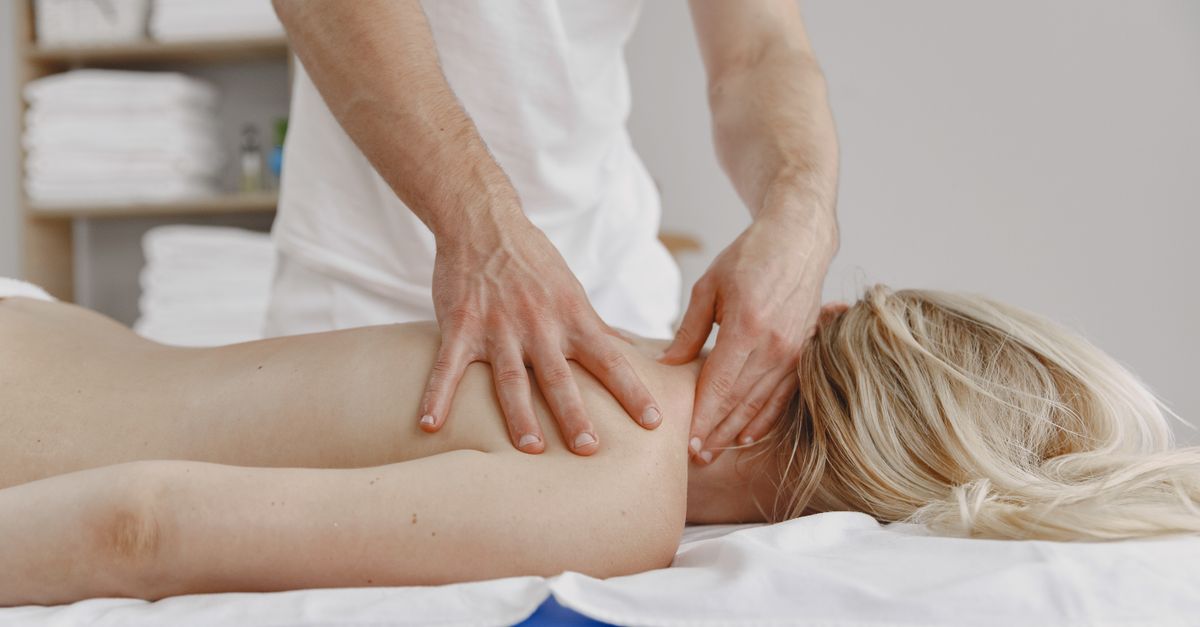
Table Of Contents
The Effects of Osteopathy on the Nervous System
Osteopathy emphasizes the interconnectedness of the body's systems, particularly the nervous system. By using hands-on techniques, osteopaths can help alleviate tension and restore balance within the body. This process can lead to improvements in overall brain function and emotional well-being. The gentle adjustments made during treatments may help communicate more effectively with the central nervous system, reducing stress responses and promoting a sense of calm.
A well-functioning nervous system is crucial for responding to stressors effectively. Targeted osteopathic methods can enhance nerve signaling and improve circulation. Effective treatment can lead to better communication between the brain and the body, which helps manage stress. As a result, patients often report reduced anxiety levels and improved emotional resilience following osteopathic care.
Promoting Relaxation through Osteopathic Care
Osteopathic care focuses on the whole person, considering physical, emotional, and environmental factors that contribute to stress and tension. Techniques such as soft tissue manipulation, cranial therapy, and myofascial release can significantly reduce muscle tightness and enhance circulation. These methods encourage relaxation not only in the body but also in the mind, creating a holistic approach to stress management. Patients often report feeling more centered and in tune with their bodies after sessions, which can lead to a more profound sense of tranquility.
Through tailored treatment plans, osteopaths aim to address individual stressors and promote overall well-being. Including additional practices like mindfulness and gentle stretching within sessions can further facilitate relaxation. Patients are often encouraged to incorporate these therapeutic elements into their daily routines. By fostering an environment conducive to relaxation, osteopathic care empowers individuals to better navigate life's challenges and enhances their capacity for stress control.
Breathing Techniques in Osteopathy
The art of breathing plays a significant role in osteopathy by enhancing overall well-being. Practitioners emphasize the importance of breath as a tool for relaxation and stress management. Through techniques such as diaphragmatic breathing, patients learn to engage their diaphragm fully, promoting deeper and more effective breaths. This method helps decrease tension throughout the body and encourages a state of calmness, which is crucial in addressing stress-related ailments.
Incorporating specific breathing exercises into an osteopathic treatment plan can lead to improved outcomes for individuals facing stress. Techniques might include controlled inhalation and exhalation rhythms that activate the parasympathetic nervous system. These purposeful practices not only assist in alleviating anxiety but also aid in enhancing focus and mental clarity. With regular practice, patients can develop a greater awareness of their breath, ultimately allowing them to manage stressful situations more effectively.
Harnessing Breath for Better Stress Management
Breathing techniques play a crucial role in osteopathic practices aimed at improving stress management. These methods help to activate the parasympathetic nervous system, which counters the body’s stress response. Specific exercises, such as diaphragmatic breathing, encourage deeper and slower breaths, allowing for increased oxygen intake. This not only promotes relaxation but also helps to lower heart rates and blood pressure, creating a sense of calm.
As individuals incorporate breathing techniques into their daily routines, they can enhance their overall well-being. Focusing on breath control can shift attention away from stressors, fostering a mindful approach to challenging situations. Regular practice instills a sense of empowerment, as individuals learn to regulate their physiological responses to stress. This newfound control enables better emotional balance and resilience against future stressors.
Lifestyle Changes to Enhance Osteopathic Treatment
Incorporating healthy lifestyle changes can significantly enhance the benefits of osteopathic treatment. Individuals can support their therapy by focusing on a balanced diet rich in whole foods, fruits, and vegetables. Staying hydrated also plays a critical role in overall well-being. Regular physical activity is equally important, as it helps maintain muscle strength and flexibility. Engaging in activities such as walking, yoga, or swimming can optimize recovery and stress management.
In addition to diet and exercise, addressing sleep patterns can further bolster osteopathic care. Establishing a consistent sleep routine enhances the body's ability to recover. Stress-reduction practices, such as mindfulness or meditation, can be valuable alongside osteopathic treatment. These complementary strategies cultivate a holistic approach to health, enabling individuals to manage stress more effectively while experiencing the full benefits of their therapy.
Nutrition and Exercise Recommendations
Incorporating a balanced diet plays a significant role in enhancing the benefits of osteopathic treatment. Nutrient-rich foods can help reduce inflammation and boost overall well-being. Including plenty of fruits, vegetables, whole grains, and lean proteins in daily meals supports bodily function. Staying hydrated is equally important, as proper hydration is essential for optimal nervous system function and stress management.
Regular physical activity complements osteopathic care and contributes to stress control. Exercises like yoga and tai chi promote flexibility and relaxation, making them ideal for those seeking to manage stress. Engaging in aerobic activities can also elevate mood and energy levels, further aiding in alleviating tension. It's beneficial to establish a consistent exercise routine that suits individual preferences, ensuring sustainability and enjoyment.
FAQS
What is osteopathy and how does it relate to stress control?
Osteopathy is a holistic approach to healthcare that focuses on the body's ability to heal itself. It emphasizes the interrelationship between the body’s structure and function, and it can help manage stress by promoting relaxation, enhancing nervous system function, and addressing physical tension.
How does osteopathy affect the nervous system?
Osteopathy can positively impact the nervous system by improving blood flow, reducing muscle tension, and promoting relaxation. This can help alleviate stress-related symptoms and enhance overall well-being.
What role do breathing techniques play in osteopathy for stress management?
Breathing techniques in osteopathy can help calm the nervous system, increase oxygen flow, and promote relaxation. These techniques are often taught to patients to help manage stress effectively and improve their overall emotional and physical health.
Are there specific lifestyle changes that can enhance osteopathic treatment for stress?
Yes, incorporating lifestyle changes such as regular exercise, a balanced diet, adequate sleep, and stress-reduction practices can enhance the benefits of osteopathic treatment and contribute to better stress management.
Can nutrition affect my stress levels and how does osteopathy address this?
Nutrition plays a significant role in stress management. Osteopathy recognizes the importance of a balanced diet and may provide nutritional recommendations to support overall health and help manage stress more effectively.
Related Links
The Importance of Stress Reduction in Osteopathic CareExploring the Connection Between Osteopathy and Emotional Well-being
A Deep Dive into Osteopathic Approaches for Stress Management
Enhancing Relaxation: The Benefits of Osteopathic Treatments
Using Osteopathy to Cultivate Mindfulness and Relaxation
Techniques in Osteopathy for Relieving Tension and Anxiety