Navigating the Field of Osteopathy: Specialisations Explained
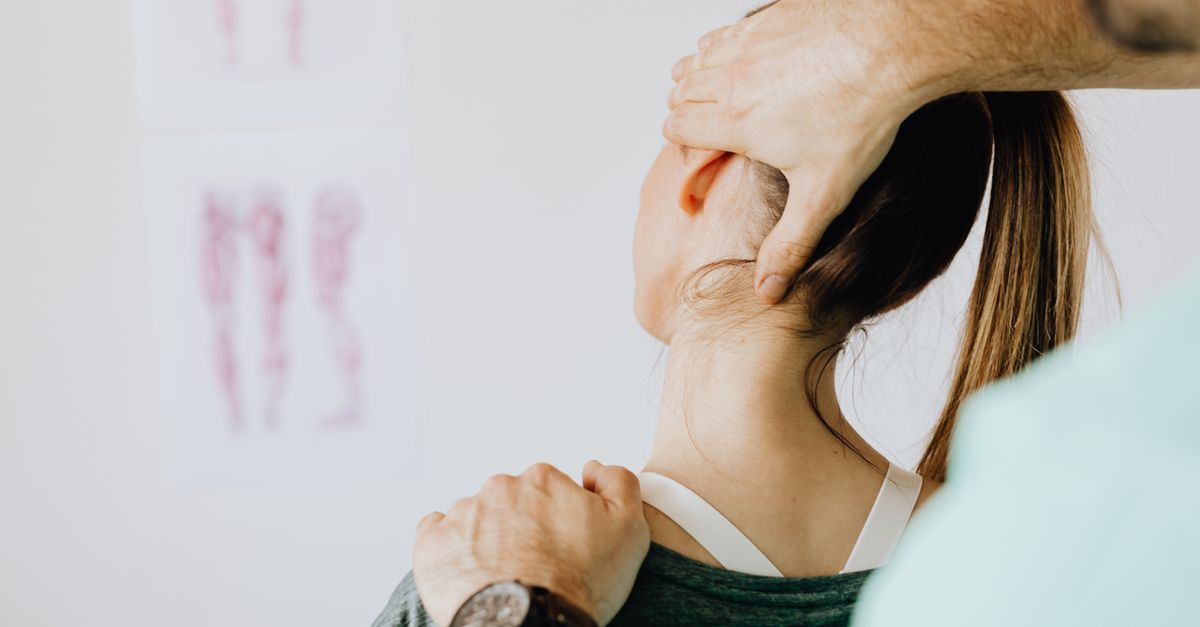
Table Of Contents
Osteopathy and Women’s Health
Women's health encompasses a variety of specific concerns that frequently benefit from osteopathic care. Osteopaths understand the unique physiological and hormonal changes women face throughout their lives, including during menstruation, pregnancy, and menopause. Through a holistic approach, they offer treatments that address not only musculoskeletal issues but also the overall well-being of female patients. This tailored care can alleviate symptoms such as pelvic pain, menstrual discomfort, and postnatal issues, promoting both physical and emotional balance.
Treatment methods often incorporate gentle techniques aimed at improving circulation, lymphatic drainage, and overall pelvic alignment. By focusing on the body's interconnected systems, osteopathy supports women in managing conditions like endometriosis, fibromyalgia, and perinatal complications. Practitioners encourage an environment where women feel comfortable discussing their health concerns, fostering a trusting relationship integral to effective treatment. Such specialized care aims to empower women by enhancing their quality of life through comprehensive osteopathic practices.
Specialized Care for Female Patients
Osteopathy recognizes the unique physiological and emotional needs of women throughout various life stages. Practitioners often address concerns related to menstruation, pregnancy, and menopause, tailoring their approaches to alleviate discomfort and enhance overall well-being. Treatment may include gentle manipulation techniques aimed at balancing the body’s systems, which can be particularly effective during hormonal changes.
The focus on women’s health also extends to conditions such as endometriosis and postpartum recovery. Specialized care involves holistic assessments, allowing practitioners to create personalized treatment plans that encourage healing and support reproductive health. This comprehensive approach not only seeks to relieve physical symptoms but also emphasizes emotional support, fostering a sense of empowerment for women navigating these experiences.
Cranial Osteopathy
This approach involves gentle manipulation of the skull and the surrounding tissues. Practitioners believe that the cranial bones should have subtle movement and that any restrictions can impact overall health. By using light pressure and specific techniques, cranial osteopathy aims to release tension and improve the functioning of the nervous system. This can lead to a variety of benefits, including enhanced bodily function and relief from certain medical conditions.
Patients seeking cranial osteopathy often report improvements in headaches, stress, and even issues related to sleep. The treatment is considered suitable for individuals of all ages, from newborns to the elderly. Many practitioners emphasize the holistic nature of cranial osteopathy, connecting physical symptoms with emotional and psychological well-being. Techniques may incorporate gentle stretching and rhythmic oscillation to promote relaxation and balance within the body's systems.
Techniques and Benefits of Cranial Manipulation
Cranial osteopathy employs a range of gentle techniques designed to facilitate the body's natural healing processes. Practitioners often utilize light touch to evaluate the cranial rhythm, identifying any restrictions or imbalances. Techniques may include monitoring cranial movement and applying subtle pressures to realign the bones of the skull. This form of manipulation helps restore balance to the central nervous system, promoting a state of relaxation and well-being.
The benefits of cranial manipulation extend beyond mere relaxation, addressing a variety of conditions. Many patients report alleviation from headaches, migraines, and sinus-related issues. Additionally, the approach can be beneficial for individuals experiencing stress and anxiety, as it encourages deep states of calm. The holistic nature of cranial osteopathy allows for a comprehensive view of health, taking into account not only physical symptoms but also emotional and psychological factors.
Osteopathy in the Treatment of Chronic Pain
Chronic pain affects millions of individuals, often leading to diminished quality of life and increased reliance on medications. Osteopathy offers a unique approach to managing this condition by focusing on the body's structure and its influence on function. Practitioners utilize a range of hands-on techniques aimed at restoring balance and promoting self-healing. These methods encourage improved circulation, reduce tension, and enhance flexibility, all of which are critical in alleviating discomfort.
The therapeutic environment fosters a holistic understanding of pain, addressing not just the physical symptoms but also the emotional and psychological aspects. Techniques such as myofascial release and articulation play a vital role in easing muscle stiffness and tension while educating patients about their bodies promotes empowerment. With a patient-centered approach and tailored treatment plans, osteopaths aim to provide effective relief that helps individuals regain control over their lives.
Innovative Approaches to Pain Management
Chronic pain presents a complex challenge that often requires multidisciplinary approaches for effective management. Osteopaths utilize a wide range of techniques targeted at addressing the patient’s unique condition. By focusing on the body's interconnected systems, they assess structural imbalances that may contribute to ongoing discomfort. This holistic approach enables practitioners to design personalized treatment plans that incorporate both manual manipulation and recommendations for lifestyle adjustments.
In recent years, the integration of novel modalities, such as myofascial release and visceral manipulation, has gained traction within osteopathy. These approaches aim to release tension within the fascia and internal organs, respectively, addressing underlying causes rather than merely alleviating symptoms. Additionally, the use of education and movement therapy empowers patients to take an active role in their healing process. This combination of hands-on techniques and self-management strategies enhances the overall effectiveness of pain relief and promotes long-term wellness.
FAQS
What is osteopathy?
Osteopathy is a holistic approach to healthcare that focuses on the musculoskeletal system and its impact on overall health. Practitioners use manual techniques to diagnose, treat, and prevent various health issues.
How does osteopathy specifically address women's health?
Osteopathy offers specialized care for women by addressing issues such as hormonal changes, pregnancy-related discomfort, and pelvic pain. Osteopaths use tailored techniques to help manage these conditions effectively.
What is cranial osteopathy, and how does it work?
Cranial osteopathy is a gentle form of manual therapy that focuses on the bones of the skull and the underlying structures. It uses subtle techniques to relieve tension, improve circulation, and promote overall wellness.
Can cranial osteopathy benefit children?
Yes, cranial osteopathy can be beneficial for children, especially newborns and infants. It may help with conditions such as colic, sleep disturbances, and developmental delays by promoting relaxation and balance in the body.
How does osteopathy help with chronic pain management?
Osteopathy employs innovative approaches to chronic pain management by identifying the root causes of pain and addressing them through hands-on treatment techniques. This can lead to improved mobility, reduced discomfort, and enhanced quality of life.
Related Links
Identifying the Right Osteopathic Specialisation for Your ConditionWhat to Consider When Choosing an Osteopath with a Specific Focus
Comparing Various Osteopathic Specialisations: Which is Best for You?
How Specialisations Shape Treatment Approaches Among Osteopaths
The Importance of Specialisation in Osteopathic Care