Exploring the Philosophy Behind Biodynamic Osteopathy
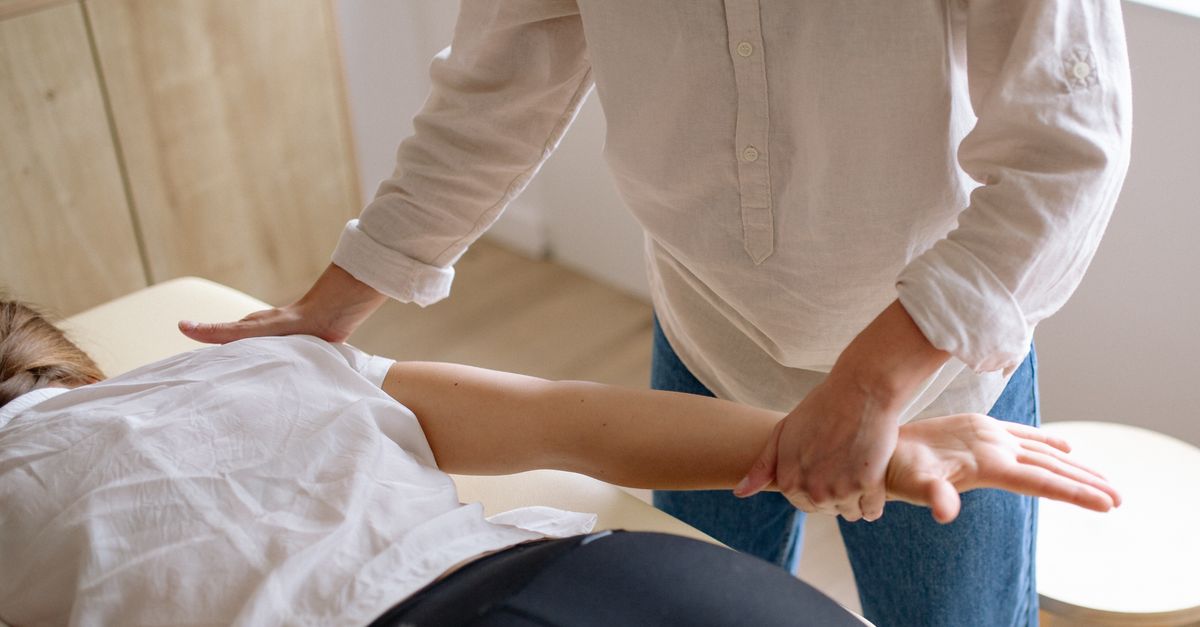
Table Of Contents
Treatment Modalities in Biodynamic Osteopathy
Biodynamic osteopathy is distinguished by its integrative approach, combining traditional osteopathic techniques with a deeper understanding of the body's natural rhythms and inherent self-healing abilities. Practitioners utilize a variety of manual therapies that focus on enhancing the body's fluid dynamics, craniosacral rhythms, and the communication between various systems. The emphasis is on subtle touch and gentle manipulation, fostering a conducive environment for healing rather than forcing change.
In addition to hands-on techniques, biodynamic osteopathy often incorporates other modalities to support the healing process. Mindfulness practices, breathwork, and movement education are frequently employed to enhance the therapeutic experience. These complementary approaches aim to cultivate awareness of the body’s sensations and encourage patients to engage actively in their own healing journeys. This holistic perspective enhances the overall efficacy of treatment, addressing not only physical symptoms but also emotional and psychological aspects of well-being.
Techniques and Approaches
A range of techniques characterizes biodynamic osteopathy, focusing on the body’s inherent ability to heal itself. Hands-on approaches such as gentle manipulation and soft tissue mobilization encourage fluid movement within the body, facilitating alignment and improving overall function. Practitioners emphasize the quality of touch, aiming to create a nurturing environment that invites the body to respond positively to treatment. This modality often incorporates listening techniques that attune the practitioner to the body's subtle rhythms and responses.
The use of craniosacral therapy forms a key component of biodynamic practices, engaging with the craniosacral system to enhance central nervous system function. This technique promotes deep relaxation and can aid in the release of tension stored in the body. Other approaches may include myofascial release and visceral manipulation, all grounded in the principle that the body maintains a dynamic equilibrium. Each method is tailored to meet the unique needs of the patient, ensuring a holistic and personalized healing experience.
Clinical Applications
Biodynamic osteopathy offers a versatile approach that can be applied to a variety of clinical settings. Practitioners often utilize these principles when treating musculoskeletal pain, including conditions like chronic back pain, neck strain, and joint disorders. By addressing the underlying issues related to tension and dysfunction, practitioners aim to facilitate natural healing processes in the body. This method also finds relevance in managing stress-related ailments, which can significantly impact overall health.
Additionally, biodynamic osteopathy is employed in the context of holistic health, where it supports emotional and psychological well-being. Patients experiencing anxiety, depression, or trauma may benefit from the gentle, non-invasive techniques used in this discipline. This approach emphasizes not only the physical aspects of health but also the interconnectedness of mind, body, and spirit. Through mindful engagement, practitioners guide patients toward deeper self-awareness and empowerment in their healing journey.
Common Conditions Treated
Biodynamic osteopathy is effective for a variety of conditions that impact both physical and emotional well-being. Practitioners often address musculoskeletal issues, including chronic pain, tension, and injuries. By utilizing the principles of biodynamic practice, the therapy enhances bodily awareness and fosters self-healing. Osteopaths frequently see patients suffering from headaches, respiratory problems, and digestive disorders. This holistic approach allows for a deeper understanding of how these conditions interrelate.
In addition to physical ailments, biodynamic osteopathy recognizes the significance of emotional health. Anxiety, stress, and trauma often manifest physically, making this treatment particularly valuable. Clinicians aim to support patients in releasing emotional tension and restoring equilibrium. The non-invasive techniques used in sessions can facilitate a sense of safety and openness, leading to improvements in overall health. As a result, patients may experience relief from both physical symptoms and emotional disturbances, making the practice versatile and comprehensive.
Patient-Centered Care
In biodynamic osteopathy, the emphasis on patient-centered care fosters a strong therapeutic alliance between practitioner and patient. This relationship is essential for understanding the individual's unique experiences, challenges, and goals. Practitioners focus on active listening and open communication, ensuring that patients feel heard and understood. This approach allows for the development of tailored treatment plans that align with the specific needs of each person, ultimately enhancing the overall healing process.
The holistic nature of this practice encourages patients to take an active role in their health journey. Education is a key component, as practitioners share insights about body mechanics, emotional health, and the principles of biodynamic principles. By empowering individuals with knowledge, patients are better equipped to make informed decisions about their care. This collaborative dynamic not only promotes trust but also leads to more effective and lasting health outcomes.
The Therapeutic Relationship
The foundation of biodynamic osteopathy rests on the deep connection between practitioner and patient. This relationship fosters an environment where individuals feel safe to express their concerns and experiences. The compassionate presence of the practitioner encourages trust, making it easier for patients to engage in their healing process. By actively listening and attuning to the patient's needs, practitioners can better understand the underlying issues affecting their health.
This therapeutic dynamic goes beyond physical treatment, incorporating emotional and psychological wellbeing. As patients navigate their healing journeys, the support of the practitioner can significantly enhance their resilience. A strong therapeutic relationship promotes collaboration, empowering patients to take an active role in their recovery. With a focus on holistic care, both practitioner and patient work together to achieve lasting health improvements.
FAQS
What is biodynamic osteopathy?
Biodynamic osteopathy is a form of manual therapy that emphasizes the body's inherent ability to heal itself. It focuses on understanding and addressing the underlying dynamics of health and wellness, drawing from both osteopathic principles and holistic healing philosophies.
How does biodynamic osteopathy differ from traditional osteopathy?
While traditional osteopathy primarily focuses on the musculoskeletal system and structural alignment, biodynamic osteopathy places greater emphasis on the energetic and fluid dynamics within the body, fostering a deeper connection with the patient’s overall health and healing process.
What techniques are commonly used in biodynamic osteopathy?
Techniques in biodynamic osteopathy include gentle manipulations, cranial sacral therapy, and listening techniques that attune the practitioner to the body's subtle rhythms and forces, promoting relaxation and balance without forceful adjustments.
What types of conditions can be treated with biodynamic osteopathy?
Biodynamic osteopathy can be effective for a variety of conditions, including chronic pain, stress-related disorders, headaches, digestive issues, and postural imbalances, among others. It aims to support the body's natural healing mechanisms.
How important is the therapeutic relationship in biodynamic osteopathy?
The therapeutic relationship is crucial in biodynamic osteopathy as it creates a safe and trusting environment for the patient. This relationship fosters open communication, allowing patients to feel comfortable and supported during their healing journey.
Related Links
How Biodynamic Osteopathy Addresses Emotional WellnessBiodynamic Osteopathy: Understanding Tissue Connections
Comparing Biodynamic Osteopathy to Other Techniques
The Benefits of Biodynamic Osteopathy for Chronic Conditions
Case Studies: Success Stories with Biodynamic Osteopathy